Gucci, as a symbol of luxury and timeless style, is a highly sought-after brand for cross-border shoppers, and Mulebuy has become a trusted daigou (purchasing agent) platform for sourcing authentic Gucci products. However, the total cost of Mulebuy Gucci daigou extends far beyond the product’s listed price—platform fees, potential taxes, and shipping costs all play a crucial role in the final budget. Fortunately, the Mulebuy Spreadsheet offers a comprehensive solution to break down these costs, compare regional price differences, and help you select the most cost-effective 代购 (daigou) route. This article explores how to leverage the spreadsheet to analyze Gucci’s cost structure and make informed, budget-friendly purchasing decisions.
The Mulebuy Spreadsheet is designed to track every component of Gucci daigou costs, eliminating hidden expenses and providing full transparency. Here’s how it breaks down the total cost:
-
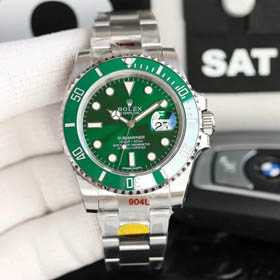
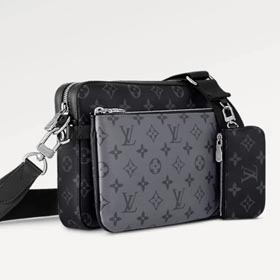
Base Product Price: This is the core cost of the Gucci item, as listed on Mulebuy. For example, while Mulebuy’s hot product page features luxury items like Louis Vuitton bags ($48.61 ≈ €42.68) and Rolex watches ($52.78 ≈ €46.34), Gucci products (such as handbags, shoes, or accessories) follow similar pricing logic—with base prices varying by style, collection, and region. The spreadsheet logs the exact base price of each Gucci item, ensuring you start with accurate foundational data.
-
Mulebuy Daigou Fees: The platform charges a service fee for facilitating cross-border purchases, typically a percentage of the product’s base price or a fixed rate. The spreadsheet categorizes these fees clearly, allowing you to see how much you’re paying for Mulebuy’s authentication, sourcing, and logistics support. For high-value Gucci items, this fee is a key factor in cost comparison.
-
Potential Taxes & Duties: Cross-border purchases often incur import taxes, customs duties, or value-added tax (VAT), which vary by destination country/region and the product’s declared value. The Mulebuy Spreadsheet includes tax calculators tailored to major shipping regions, helping you estimate these additional costs. For instance, importing a Gucci bag to the EU may incur VAT, while shipments to the US might be subject to customs duties above a certain threshold—all of which the spreadsheet accounts for.
-
Shipping Costs: Fees for international shipping depend on the chosen method (e.g., express courier vs. standard postal service), package weight, and destination. The spreadsheet compares shipping rates for different carriers (e.g., DHL, FedEx, or Mulebuy’s in-house logistics) and logs delivery times, so you can balance cost and speed. For example, express shipping for a Gucci handbag from Italy to Asia may cost more but arrive in 3–5 days, while standard shipping is cheaper but takes 2–3 weeks.
By inputting these four variables, the Mulebuy Spreadsheet automatically calculates the total daigou cost for each Gucci item, giving you a clear overview of where your money goes.
One of the spreadsheet’s most powerful features is its ability to compare Gucci costs across different sourcing regions, helping you find the most economical origin. A common comparison is between Gucci products sourced from Italy (the brand’s home country) and the US:
-
Italy-Sourced Gucci: As Gucci’s manufacturing hub, Italy often offers authentic, high-quality products—especially limited-edition or classic collections. However, base prices may include local VAT (typically 22% in Italy), which non-EU shoppers can sometimes claim back, but this process adds complexity. The spreadsheet factors in VAT reclaim potential and calculates the net base price. Additionally, shipping from Italy to European destinations is often cheaper and faster, while intercontinental shipping may have higher fees but lower risk of counterfeits.
-
US-Sourced Gucci: The US market often features competitive base prices for Gucci, with no VAT (though sales tax may apply depending on the state). For shoppers outside the US, this can mean a lower base price upfront, but import duties and longer shipping times from the US to regions like Asia or Europe may increase total costs. The spreadsheet compares these variables side-by-side—for example, a Gucci tote bag might have a $1,200 base price in Italy (with $264 VAT, reclaimable for non-EU buyers) versus a $1,150 base price in the US (with $92 sales tax, non-reclaimable). When adding Mulebuy’s 5% daigou fee, $80 shipping, and $150 import duties (for Asia-bound shipments), the spreadsheet shows which region offers a lower total cost.
The spreadsheet also accounts for other regional factors, such as currency exchange rates, seasonal sales (e.g., US Black Friday vs. Italian summer sales), and stock availability. For example, if a Gucci belt is on sale in the US for 20% off, the spreadsheet updates the base price and recalculates the total cost, helping you capitalize on regional promotions.
To maximize savings and minimize hassle, follow these steps with the Mulebuy Spreadsheet:
-
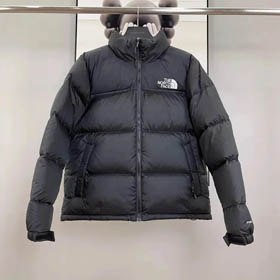
Input Gucci Product Details: Search for your desired Gucci item on Mulebuy’s hot products page (https://mulebuy.news/hot) to get the base price, then enter it into the spreadsheet. If the item isn’t listed, use similar luxury products (e.g., Louis Vuitton belts at $11.81 ≈ €10.37 or Burberry down jackets at $38.89 ≈ €34.15) as reference points for fee and shipping estimates.
-
Select Sourcing Regions: Choose 2–3 regions (e.g., Italy, US, UK) to compare. The spreadsheet will auto-populate daigou fees, tax rates, and shipping options for each region.
-
Adjust Variables: Customize factors like shipping method (express vs. standard), tax reclaim eligibility (if applicable), and currency exchange rates to reflect your specific situation.
-
Compare Total Costs: The spreadsheet generates a side-by-side comparison of total costs for each region, highlighting the most economical option. It also flags trade-offs, such as longer shipping times for cheaper routes or higher fees for faster delivery.
-
Save for Future Purchases: The spreadsheet lets you save cost comparisons for different Gucci items, building a database of regional pricing trends. This helps you make faster decisions for future daigou orders—for example, knowing that US-sourced Gucci shoes are consistently 10% cheaper than Italian-sourced ones for your destination.
The Mulebuy Spreadsheet is an indispensable tool for anyone looking to navigate the complex costs of Gucci daigou. By breaking down base prices, platform fees, taxes, and shipping costs, and comparing regional differences, it empowers you to make informed, budget-friendly choices—whether you’re purchasing a Gucci handbag, belt, or accessory. Instead of guessing about hidden expenses or overpaying due to lack of transparency, the spreadsheet provides clarity and control over your total cost. Combine this with insights from Mulebuy’s hot products page, and you’ll be well-equipped to source authentic Gucci products at the most economical price, enjoying a seamless and cost-effective cross-border shopping experience.
https://mulebuy.news/hot